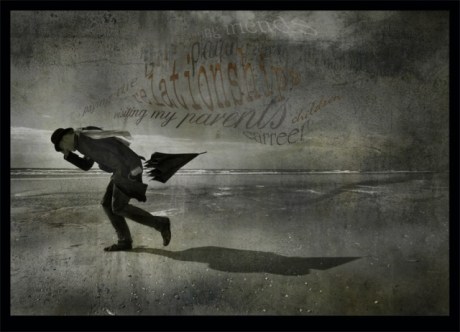
you have permission to feel your feelings

Today we ask that you give yourself permission to feel what you feel.

Give yourself permission to feel what you feel.

This is difficult for most people.  People are conditioned to suppress and deny their emotional responses.  They do not believe it is okay to feel what they feel.  

The problem with this is that whatever you suppress, intensifies.  It is a law of nature.

Imagine a natural phenomenon like a geyser.  Geothermally heated water bubbles up beneath the earth.  Every so often, the water needs to vent out of the ground, in a geyser.  This relieves the pressure.  If the geyser opening is blocked, pressure builds, and this may lead to a violent explosion.

It is the same with emotion.  Suppressing feelings leads to violent eruptions.

When you give yourself permission to feel your feelings, this “lets off steam,” and allows the emotion to vent.  Pressure is relieved, and one experiences a feeling of release.

Try it.  Instead of telling yourself “I shouldn’t feel this way” or “I’m stupid for feeling this way,” instead say: “I give myself permission to feel this way.”  Observe what happens in your body when you do this.

The real magic happens with other people.  Often people experience other people’s emotional responses as threatening.  When one feels threatened, the instinctive urge is to suppress the threat.  You defend yourself by invalidating the feelings of others.

But see what happens when you give other people permission to feel what they are feeling.  Try it.  Say: “You have permission to feel what you’re feeling.”

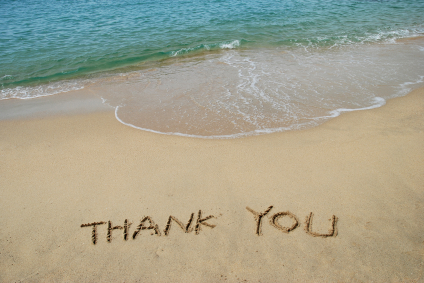
Many people will say “Thank you” when you tell them this.  It is a great relief, when someone gives you permission to feel your feelings.

Much physical illness occurs because people suppress their emotions.

Permission to feel your feelings does not mean that you have permission to attack or abuse other people.  It does not mean you have permission to engage in destructive behavior.

That said, frequently destructive behavior is the “explosion” that occurs when emotions are not being properly vented and released.  Destructive behavior is usually a symptom of the disease of self-suppression.

Let your emotional geysers vent, in a healthy way.  Just tell yourself: “I give you permission to feel this feeling.”  Notice what happens in your body when you do this.

strong boundaries, healthy spaces

Today we ask that you look at your boundaries.

In the material world, all beings exist within their own discrete space.

You live in a body.  You live in a home.  This is your “space.”

All boundaries are permeable.  Things come in, and things go out.

One of the attributes of a healthy being is that he has strong boundaries.  A strong boundary means that what penetrates the boundary does so by consent.  Energies that do not belong within the boundary are swiftly ejected.

A healthy physical body has a strong immune system.  The purpose of the immune system is to neutralize and eject anything that does not belong within the body’s boundary — such as harmful pathogens.

It is said that a vampire cannot enter a house unless it is given consent to do so.

And yet people have a way of letting vampires into their houses.

That is because they do not have strong boundaries.

True health is all about cultivating a healthy personal space.  Things do not enter without your consent.

So today, look at your “space.”

Your body space.  Your home space.  Your work space.  Your relationship space.

Is there anything in those spaces without your consent?

Are there ways in which you feel invaded or violated by energy that is not harmonious for you?

It is not necessary to be at war with negative energies in order to defend your space.  Some people have a hyperactive immune system, and attack anything they perceive as a threat, even when there is no real threat.  This is draining and destructive.

Really, maintaining healthy boundaries is all about creating a healthy, safe, nurturing environment within your personal space.

Do not focus on what is outside your boundaries.

Focus on what is inside.

What can you do to raise the energy within your spaces?

When you increase the health of what is inside your boundaries, it makes it far more difficult for parasitic energies to invade your space.

In other words, you will not free yourself of getting sick by going to war against the common cold.

You reduce sickness by engaging in healthy practices that raise the energetic vibration within your body.  

You can do the same with your home, your office, and the energetic field that surrounds you.

That said, it is also essential that you learn to say “no” when “no” is appropriate.

When you cannot say “no,” you cannot maintain strong boundaries.  If you know that something is unhealthy or “vampiric,” do not let it into your personal space.  This goes for food, things that you absorb over the internet or TV, and the people in your life.  Certain people can and should be kept at a distance.

The essence of good parenting is creating a safe space for a child to grow and play in.  This requires strong boundaries.

Even if you were not well-parented, it is not too late for you to learn how to create a safe space for yourself.

Be a good parent to yourself.  Look to your spaces, and your boundaries.  Clean and nourish your body, energy field, and home.  And do not let vampires in.

honor how far you've come

Today we ask that you honor how far you’ve come.

Honor how far you’ve come.

Today, do not think about all the ways you and your life are not good enough.  Do not think about where you are “supposed to be” relative to where you are.  Do not berate yourself for not having come far enough.

Today, you are invited to stop, and take a breath.

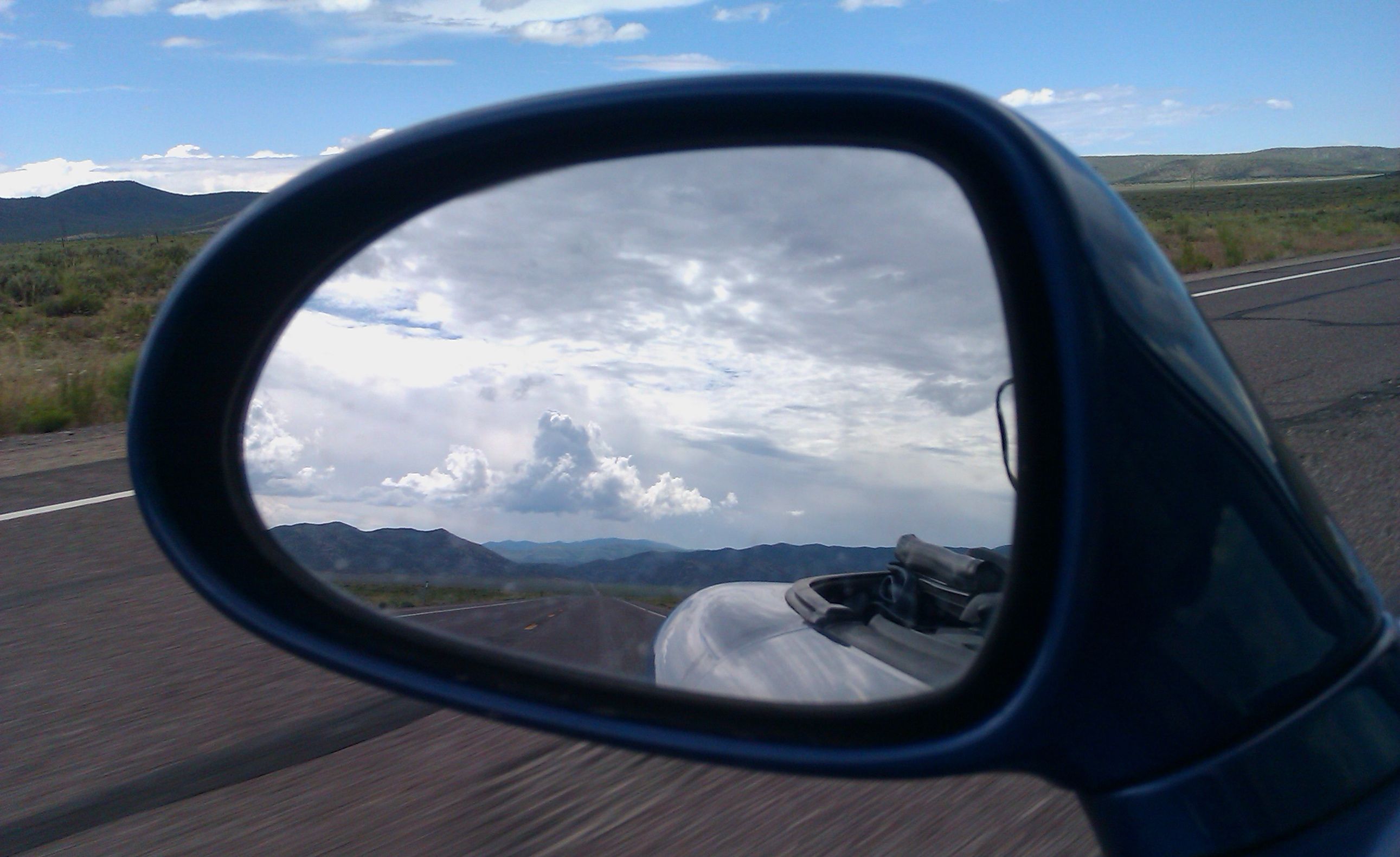
Look behind you.  You have traveled a long road to get to where you are now, at this moment.

Can you perceive how far you’ve come?

Can you perceive how much you’ve grown and changed?

Can you perceive how your challenging experiences of the past many years have enriched and deepened you?

Look at how far you’ve come.

Consider who you were a year ago, five years ago, twenty years ago.

Do not judge those Earlier Yous.

Look at them with compassion.  

And honor how far you’ve come.

Many of you believe you do not “do enough” in life.

See how far you’ve come?  Maybe you are doing enough after all.

When someone is in the middle of a long hike, or climbing a mountain, he will always go through periods when he feels like he is not getting anywhere.

But if he could look back from a high vantage point, he could see that he has come much further than he believes.

It is a trick of the human mind to ever focus on the goal, on the end point, so that the getting there seems interminable.  Everything seems to take too long.

In fact, it takes much less time than you think.  It is the fixation on goals and end points that causes time to appear to go more slowly than it does.

The human mind has difficulty making an accurate assessment of “progress,” of distance already traveled.

That is why today, you are asked to take your eyes off your various goals and end points.  Yes, even on the day of “setting resolutions” — you are much better off taking the time to look back, before you move forward.

Before the world starts up and all you can see are your goals and end points and how “you are not there yet”…

… look back and notice how far you’ve come.

Maybe you’ve already arrived, and just don’t know it yet.  Maybe you are exactly where you are supposed to be.


ThankYou

Today we ask that you express appreciation for what is meaningful to you.

Express appreciation for what you love, for what you enjoy, for what helps and serves you and those you care for.

There are many ways to express appreciation.  

It begins in your mind, with the simple practice of feeling gratitude for what is good in your life.

But you can take this to the next level.

You can express appreciation by saying to someone that they are meaningful to you.  You may tell them in person, or write a note.

Don’t you love it when you receive a message from someone that you are meaningful to them?  Doesn’t it brighten your day?

Another way to express appreciation is through the giving of something.  It may be one’s time, or one’s knowledge.  It may be a material object.  It may be money.

There is a practice known as “tithing,” usually associated with religious organizations, by which one pledges a certain percentage of one’s income to charitable causes or a religious group.

When done out of a sense of obligation, or to keep up appearances, there is little benefit to “tithing.”

However, if a “tithe” is given wholeheartedly, in the form of appreciation, time, expertise, wisdom, money, and so on — then this practice can be extremely beneficial, sometimes in a life-altering way.

Imagine receiving a thank you note, a gift, or even money out of the blue — just because someone out there feels that you are meaningful to them.  Wouldn’t that make your day?  Even your week?

Now imagine being the person who gives that experience to other people.  Not out of duty or obligation, but in a spirit of heartfelt joy and playfulness.

All the good feeling you create for others through such action, you will feel.

Any of you who experience flow or abundance blockages are strongly encouraged to engage in appreciative practices in the year to come.

No money is required for a “tithe.”

However, tithing money in a heartfelt, playful way is an excellent use of money.  If you have issues around money, the practice of tithing has a way of balancing this energy so that you experience a much healthier relationship with money.  

To make it clear, all that is necessary for a “tithe” is an act of appreciation.  This act must be wholehearted, and not done out of obligation or with any kind of agenda other than to increase well-being.  

It is a wonderful thing to “make someone’s day.”

You will discover that when you make someone else’s day, you also make your own.

If you experience any sort of flow or abundance blockage, engaging in a daily act of appreciation will, without question, get more energy moving in your life.  This can be radically transformative.

burning-heart

Today we ask that you love life.

Love your life.

Can you love your life?  Instead of rejecting it, judging it, and finding fault with it?

Can you love life, with the fierceness of a young child?

A young child greets the new day with joy and excitement.  There so much to play and see and do.

And yes, there are frustrations and tantrums.  That happens.  But the love of life is undiminished.  The child never considers giving up on life or rejecting it.

There is so much for you to love today.

There is a whole world out there.  It may be cold and gray, but it still deeply beautiful.  

Do you have animal friends?  Your pets are constant sources of love.  Love your animals, with a fierce love.

Do you have friends and loved ones?  Love them fiercely today.  They do not have to be with you in person.  They do not even have to be on this physical plane.

Send a message of love and appreciation to someone today.

Light a candle for someone who has left this physical plane.  Send a message of love.

If the flame of your love of life grows dim, this is how you can stoke the fire.

Connect with what you love.

Maybe it is a beloved book or movie.  Send a message of love to whomever created this thing that you love.  All that is necessary is that you do this in your mind.  Say, “Thank you for making this.”

You love something.  Even if you feel very disconnected, you can always find some small thing in life that you love.

Love the food on your table.  Love the plants in your garden or on the street where you live.

Tell someone you love him.  Maybe it is a sparrow in a tree, it does not matter.  Just let yourself feel love for someone.  Let this feeling come with a sense of ease and lightness.

It is possible to live from this space.  This space of fiercely loving your life.

Sometimes people who have a brush with death find themselves in this space.

It is not necessary to have a brush with death in order to love your life.

It is wise, however, to remember that all things pass.  This can help to connect with you with the love of life, and taking nothing for granted.

This is the time of year to connect with a fierce love of the life you have right now, just as it is.

Everything changes.  Things come and go.

But the love can be a constant.  If you stoke the flame of your love, you can greet changes and new things with joy and peace, instead of fear and resistance.  And you can let go of the passing of the old with honor and grace, instead of clinging.  

Imagine you are on your deathbed.  Who do you want to express your love and gratitude to right now?  Do this today, if only in your own mind and heart.

Cultivate a ferocious love of life.  This will align you with all the vital energy of the universe.

pause

Today we ask that you let yourself rest.

Most people find it difficult to truly rest, even on a holiday.  In fact, holidays for many are more stressful than daily life.

But the purpose of seasonal holidays, which are very ancient, is to allow humans a natural pause in the flow of life.

Pauses are very important.

When you inhale, there is a pause before you exhale.  When you exhale, there is a pause before you inhale.

In music, the pause is no less important than the sound.  Musical notation shows the notes, and the rests.  Music cannot exist without pauses and silences.

You live in a time when people are increasingly impatient with pauses and rests.  The ideal human in modern culture would be someone who never requires sleep, and is capable of ceaseless activity.

Such a human does not exist.

Pauses are necessary.  Rest is necessary.

Nature does not create anything that is not necessary.

All life forms require rests and pauses.

This is reflected in the Biblical myth of creation.  The Creator rests on the seventh day.  Even the Creator God is not capable of ceaseless activity.  And yet humans expect themselves to do things even their “God” cannot.

It used to be that many people celebrated a “sabbath” in honor of the Biblical story.  While it is not a bad thing that repressive religious restrictions have gone out of style, there was a real benefit to the weekly dedication of a day to resting, to pausing.

The pause is necessary.

Sleep is necessary for humans.  Going without sleep causes sickness.  There is no way to bypass this, try as humans might.

There are many humans who would benefit greatly by giving themselves a “sleep holiday.”  People are so sleep-deprived that they could spend a whole week doing little but sleeping.  This would greatly improve health and well-being.

Sleep is basically a digestive, integrative process.  Just as you must digest and integrate the food you eat, you must digest and integrate your experiences.  Without sleep, there is a lack of nourishment, a lack of integration.  This causes sickness and imbalance in the brain and psyche.

Sleep is good for you.  It is necessary.

Pauses are necessary.  There is nothing — no music, no creation, no life itself — without the pause.

So please give yourself permission to rest, and unwind.

Please let your nervous system rest.  Step away from electronic devices.  These drain and overstimulate the nervous system, with constant use.

If people gave themselves a once-a-week sabbath from electronic devices, it would cure many ills.  Insomnia would be drastically reduced in this away.  Humans did not used to suffer insomnia in endemic numbers.  It is caused by poor sleeping habits, combined with the constant overuse of electronic devices.

Let yourself rest.  Let yourself pause.

Let yourself feel the seasonal rhythms, even if you live in a large city.  Go outside.  Notice what the sun and moon are doing.  Notice what the plants and animals and insects are up to.

Let yourself pause.

There is no growth that is not preceded by a pause.  This is universally true.  All expansion in nature is preceded by a rest, a pause, a silence.

If you are not expanding as much as you’d like, the answer may not be to do more.

The answer may be to do less.

If you are not growing, perhaps it is because you are not pausing.

Today is a day to let yourself pause.

the greatest gift

Today we ask that you follow good feelings.

What makes you feel good?

This is not about physical hedonism, although it is good to do things that feel good and nourishing for your physical body.

By “feeling good,” what is meant is activity that feels nourishing, healthy, playful, generous, and with a sense of ease or lightness.

Such things continue to feel good when you are no longer doing them.  

For example, a massage continues to feel good when you are no longer experiencing the massage.  It continues to benefit your body.

However, overindulging in ice cream will not feel good when you are no longer experiencing the taste of it.  It will not benefit your body.

So, to clarify, you are asked to follow what feels good and is good for you.

Many people are so focused on their problems and negativity that they do not pay attention to what feels good.  They are desensitized to such things.  They may be trained to feel guilty around feeling good.  

They may confuse things that feel good and are unhealthy, like eating too much ice cream, with things that feel good and are healthy, like taking a walk or meditating.

Commonly people believe that they “do not have time” to do such things.  They have time to scarf down a candy bar in the middle of an unpleasant day, but they don’t have time to go for a brief walk in the fresh air.

You have time to do what is healthy, nourishing and generous for your body, mind and soul.

You may object that you are too busy, and have too many obligations to other people.

All the beings you feel responsible for will only be helped and served when you take time to do what is healthy, generous and nourishing for you.

So focus now on what makes you feel good.  Truly good.  What creates genuine, lasting good feeling in your body, mind and spirit.

Give yourself more time to do those things.

Make sure you take at least a few minutes to do something that feels purely good and healthy this way every day.

Allow yourself to really enjoy what nourishes you, and makes you feel good.

If you want to improve your life experience, really it is this simple:

Give yourself more time to do what feels nourishing, playful, and generous, with a sense of ease and lightness.

The more of this experience you give to yourself, the more you shall have.  

And you will be able to share it with others.

These are the qualities to look for:

Is the activity nourishing?

Is it healthy?

Is it playful?

Is it generous?

Is there a sense of ease and lightness?

Whatever in your life creates this feeling for you — do that.  Do it every day.  Keep coming back to it.  Keep connecting to it.

Whatever you make a habit of connecting to energetically expands.  

Most people are so consumed by struggle, problems, and negativity that there is no room in their lives for healthy flow.

The greatest gift you can give yourself is the allowance to do what feels good and nourishing for your body, mind, and spirit.

It is the greatest gift you can give the people in your life.

You will be a much better parent, spouse, partner, and/or creator if you teach yourself to follow energy that feels good and nourishing.

This can transform your life experience.

struggle-3

Today we ask that you let go of struggle.

Most people experience life as a struggle.

While it is believed that poor people struggle more than rich people, this is not necessarily the case.  The rich struggle with different things, that is all.  If you ask a rich person if he thinks his life is easy, he would most likely take offense, and proceed to tell you all about his struggles.

People do not like to struggle.  But they are very attached to their struggles, nonetheless.

Struggle give people a sense of self-worth.

People also value others based on how much they appear to struggle.

For example, if an athlete struggles to win, this is considered more honorable and virtuous than an easy victory.

Many people say they want life to be easier.

At the same time, they derive their self-worth from struggle.

The hard-working person is more valuable than one who glides along through life.  Taking it easy is considered lazy and irresponsible.

With such belief systems, is it any wonder that most people never experience a sense of ease in their lives?

They will not give themselves permission to do so.

Obviously, where there is poverty, oppression, violence, dire physical illness and the like, most humans are going to experience struggle.

However, people with roofs over their head, food in their bellies, and basically healthy bodies do not need to struggle as much as they do.

The reason they struggle so much is because they live in societies and cultures where struggle is perceived as virtuous, and where “taking it easy” or “not being hard on yourself” is considered lazy, selfish, irresponsible, and immoral.

If you have a roof over your head, food in your belly, and a basic level of physical health, you can experience life with a sense of ease.

All that is necessary is that you give yourself permission to take it easy, to not be hard on yourself.

This does not mean you will be lazy, unproductive, and worthless.

In truth, learning to live with a sense of ease will open up so much more flow and abundance in your existence.

Without constant struggle, you will be more creative and imaginative, more capable of problem-solving, and more capable of helping others.

There is absolutely nothing irresponsible about living in this way.  In fact, it is highly responsible.

Do not believe that pain and torture is the key to masterful creation or “genius.”  This is another false belief.

Once you begin to observe how deeply attached most cultures are to struggle, it can actually be shocking.

Taking it easy and not being hard on yourself does not mean, do not challenge yourself.

But one can experience a sense of ease and lightness around challenge.  Challenge does not have to be a struggle.

Here is the key to letting go of struggle.

You do not have to do the things you do.

If you are not enslaved, in prison, or someone’s hostage, you do not have to do the things you do in your life.

You may protest that this isn’t true.  You may feel anger around this.

But if you really look at your life with clear perception, you will see that you do the things you do by choice.  No one is holding a gun to your head making you do these things.  

So when you experience struggle, remind yourself:

“I do not have to be doing this right now.”

Really, you do not.  With this awareness, if you continue to do what you are doing, recognize that you are doing it because you want to.  

Understand why it is you want to be doing this thing that you’re doing.  Since it is a choice, why are you choosing this.  You have a reason.

You feed your dog for a reason.  You change the baby’s diaper for a reason.  You go to your job for a reason.    You do not have to do these things.  You do them by choice, for a reason.  

Knowing this is the essence of the difference between a life of struggle, and a life of ease.

In the life of struggle, you do everything because you believe you “have to,” because you “should.”  So you feel like a powerless slave.  You have to feed the dog, you have to change the diaper, you have to go to work.

In the life of ease, you know you do not “have to” do anything.  You do what you do consciously, because you want to, because you choose to.   You choose to feed the dog, you choose to change the diaper, you choose to go to work.  

Nothing external needs to change in your existence for you to move from struggle to ease.

Give yourself permission not to have to do all the things you think you “have to” do.

Give yourself permission to relax, to take it easy, to not be hard on yourself.

And then see what you want to do.  See what you choose to do.

Let go of your attachment to struggle.  Struggle does not make you worth more.  
hanging on for dear life

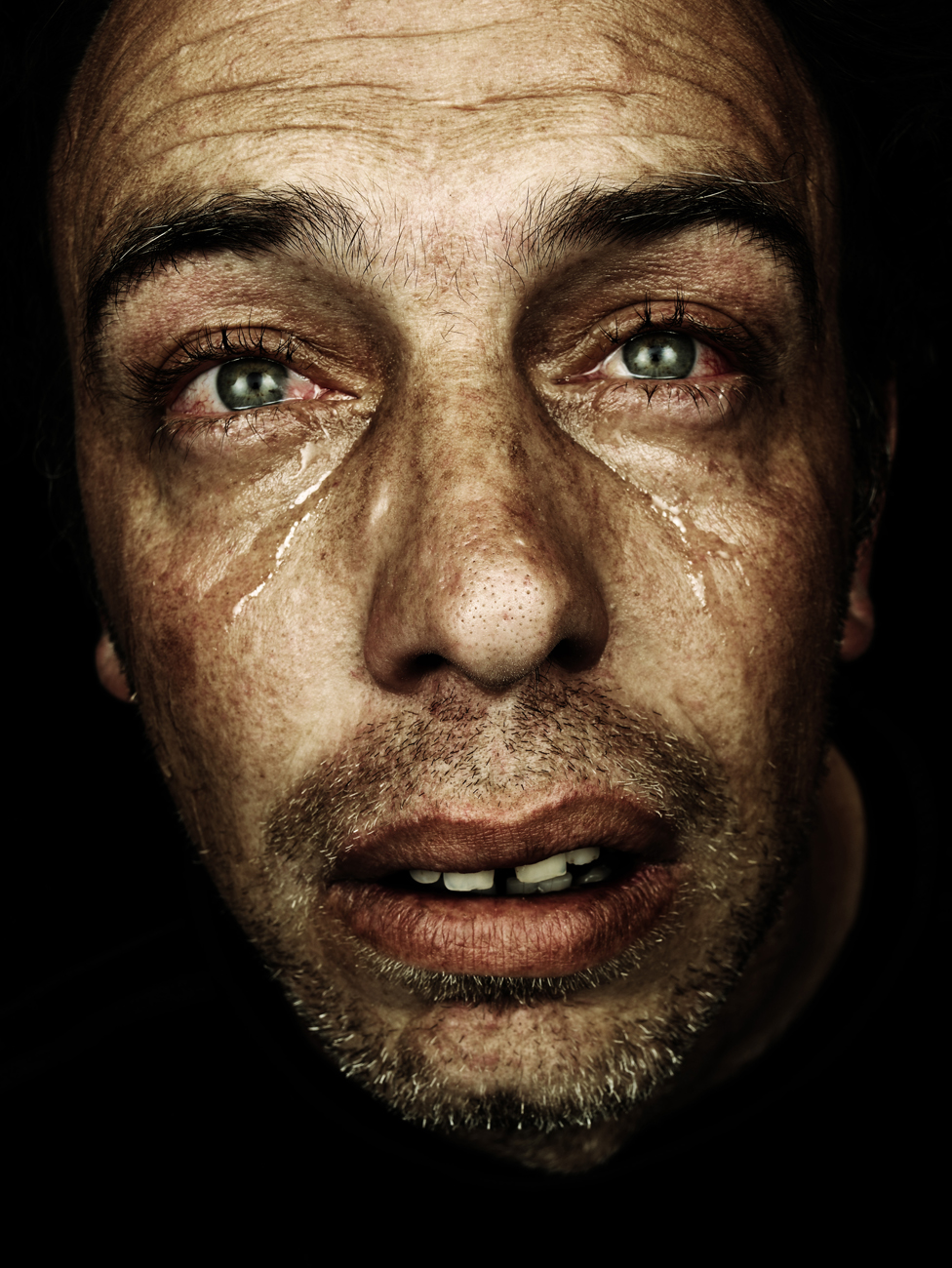
Today we ask that you pay attention to the drama in your life.

People love drama.  They love it in movies and books.  They enjoy melodrama, romance, action, crime, comedy.  And there is nothing wrong with enjoying fictional stories.  They can be beautiful, soul-stirring, laugh-out-loud.  They can illumine the essence of the human character and ego.  They can create transcendence.  It is good to laugh and cry and learn watching dramas.  

However, in real life, drama is a mixed bag.  Just like fictional characters, people experience terrible stress and suffering over their personal dramas.

As children, big dramas are often about getting the treat or the toy or how it’s not fair that your brother gets to do something and you don’t.  Children scream and throw tantrums over these things.

As teenagers, it’s all about boys and girls and couples and sex and popularity and school.  Teenagers suffer terribly over these things.

As young adults, the drama is about jobs, careers, and marriages.

Later the drama is all about money and success and parenthood.

Later the drama is all about impending old age, sickness, and death.

So humans suffer and suffer and suffer.  They are always suffering.

This is not to minimize serious issues in the world — poverty, oppression, abuse, violence, war.  This is focusing on “garden variety” life dramas.  

When you look at the dramas of little children throwing tantrums, can you see that it is all really over nothing?

When you look at the dramas of moody teenagers, can you see that it is all really over nothing?

Of course, you will argue that the dramas you are suffering over right now are very important!

But three year olds and thirteen year olds also believe that their dramas are very important!  Just ask them.

When people get sick, and death approaches, often they can perceive that they spent most of their lives being miserable over nothing all that important.  They wish they could be granted a second chance to really enjoy life.

Meditate on your future self.  At the moment of your death, do you really think whatever drama you are experiencing right now will seem all that important?

After you leave the physical body, even the drama of sickness and death will not seem all that important.

Enjoy drama on TV.  But in “real life,” as you suffer over your dramas, ask yourself:

“Is it really worth all this suffering I’m experiencing?”

In drama, as in gambling, there is something called “stakes.”  People like dramas with “high stakes” — where it is “life or death.”  Those are the most gripping dramas.

The problem is, in real life, people cannot differentiate between a “high stakes” drama and a “low stakes” drama.

“High stakes” means “life or death.”  “Low stakes” means “not all that important.”

Sometimes it takes a major health crisis, where it really is life or death, to show people that all their other dramas are far less consequential than they believed.  

From the spiritual perspective, even “life or death” is not such a big deal.

It is possible to look at a drama situation in your life, and consciously “lower the stakes” around it.  You recognize that it is not all that important, that it is not life or death.  This is an extremely useful skill.

If you understand this, then you will truly begin to enjoy your life.  Let the drama stay on the television.  Without drama, you will love life.  Your future self asks you to do this.

Let go of your dramas.  Especially the little ones, the garden variety ones.  Put things in perspective.

give your life permission to be what it is

Today we ask that you give permission to things to be as they are.

Let things be as they are.

Let your body be what it is today.

Let other people be who they are today.

Let your life be what it is today.

If you have things to do, do them — but do not beat yourself up for not doing more.

If it is time to relax, let yourself relax.  Do not relax and then beat yourself up for relaxing.

Let your issues be what they are today.

Let the weather be what it is today.

Stop arguing.  Stop being at war with reality today.  Stop arguing even with what the weather is doing.

It is okay if other people around you argue and fight with reality.  Let them argue and fight.  

Give reality permission to be exactly what it is today.

As if your life were a painting hanging on the wall in a museum, just step back and observe it.  Resist the need to judge and criticize.  

Give the painting permission to look exactly as it looks.  There is nothing to change or fix.

Maybe in the painting you are busy doing something that will, in time, change the look of the painting.  That’s fine.  But the whole painting itself does not need to change right now in this moment.

Tomorrow the painting may look different.  Give the painting permission to look the way it will look tomorrow.

Yesterday the painting looked different.  Give the painting permission to look the way it looked yesterday.

Give the painting of your life permission to be what it is.

And give all those other paintings on the museum wall, all those other people’s lives, permission to be what they are.

Those other paintings do not threaten you.

In a museum, is an Impressionist painting threatened by a Surrealist painting?

The paintings do not threaten each other.  They are just different. 

Imagine your life as a painting in a museum.  Let it be what it is.  Can you see its beauty?  Can you see the beauty even in its flaws and so-called imperfections?

In a museum, there may be portraits of individuals that people might label as “ugly.”  Yet the painter has rendered the ugly face with great beauty.  There is profound beauty in all “imperfection.”

So just let it be what it is today.  Do not try to airbrush the painting.  How dull life would be if everything were airbrushed and “perfect-looking.”

Enlightenment is very simple.  It is just letting things be what they are.  When you let go of judgment, criticism, and shame, everything becomes beautiful.